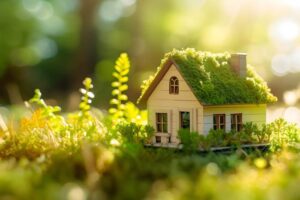
Zero-waste gardening practices set the stage for this enthralling narrative, offering readers a glimpse into a story that is rich in detail and brimming with originality from the outset. By minimizing waste and maximizing efficiency, these practices not only enhance the beauty of our gardens but also contribute to a healthier planet. Imagine a garden that thrives on what you already have, turning kitchen scraps into compost and rain into irrigation—this is the essence of zero-waste gardening.
In exploring the various techniques, we will uncover methods for composting kitchen scraps, implementing rainwater harvesting systems, and selecting sustainable plants that thrive without excessive resources. Each approach underscores the importance of harmony between nature and human intervention, creating a more sustainable path for gardening enthusiasts.
Zero-waste Gardening Techniques
Zero-waste gardening is a sustainable approach that minimizes waste while maximizing the productivity of your garden. By utilizing every available resource and reducing reliance on external inputs, gardeners can create a thriving ecosystem that is beneficial for both the environment and their own well-being. This practice not only helps in conserving resources but also fosters a sense of responsibility towards the planet.
The importance of zero-waste gardening lies in its ability to promote biodiversity, enhance soil health, and reduce carbon footprints. It encourages gardeners to think critically about their consumption and waste management practices, leading to a more efficient and eco-friendly gardening experience.
Composting Kitchen Scraps and Yard Waste
Composting is a fundamental practice in zero-waste gardening, as it allows you to recycle organic waste into nutrient-rich soil amendments. This process not only reduces the volume of waste sent to landfills but also enriches your garden soil without the need for chemical fertilizers.To start composting effectively, consider the following methods:
- Bokashi Composting: A fermentation process that involves adding kitchen scraps to a sealed container along with Bokashi bran, which contains beneficial microbes. This method is odorless and can handle meat and dairy products, unlike traditional composting.
- Hot Composting: This method requires a mix of green (nitrogen-rich) and brown (carbon-rich) materials, layered in a compost bin. The heat generated from microbial activity accelerates decomposition, producing compost in as little as a few weeks.
- Vermicomposting: Utilizing worms to break down organic waste, this method is ideal for small spaces. Red wigglers are particularly effective and can convert kitchen scraps into nutrient-dense worm castings.
Implementing these composting methods not only helps reduce waste but also enhances the fertility of your garden, ensuring healthy plant growth.
Creating a Rainwater Harvesting System
A rainwater harvesting system is an excellent way to conserve water and reduce reliance on municipal water supplies. By collecting and using rainwater for irrigation, you can create a sustainable watering solution that benefits your garden while also being environmentally responsible.To establish your rainwater harvesting system, follow these steps:
- Choose a Collection Area: Identify suitable surfaces such as roofs or paved areas to collect rainwater. Ensure that these surfaces are clean and free of contaminants.
- Select Appropriate Containers: Use food-grade barrels or tanks to store collected rainwater. Ensure they are opaque to prevent algae growth and come equipped with a lid to keep debris out.
- Install Gutters and Downspouts: Properly installed gutters help channel rainwater into your storage containers. Make sure they are free of clogs and direct water flow efficiently.
- Implement Filtration Systems: It’s essential to filter the collected water to remove leaves and debris. A simple mesh screen can be installed at the entry point to the storage container.
- Utilize a Distribution Method: Attach a hose or drip irrigation system to your storage container for easy access to the harvested rainwater. This setup allows for efficient watering of your garden without wasting water.
By harnessing rainwater, you can maintain a lush garden while contributing to water conservation efforts, making your gardening practice even more sustainable.
Sustainable Planting Practices
Sustainable planting practices are vital for nurturing a healthy ecosystem while maximizing efficiency in our gardens. By incorporating techniques that focus on biodiversity and resource conservation, gardeners can create thriving environments that require less intervention and promote natural balance. This section will explore companion planting techniques, the use of native plants, and a selection of perennial plants that contribute to a sustainable garden.
Companion Planting Techniques
Companion planting is an age-old gardening technique that involves growing different plants together for mutual benefits, particularly in pest management. This method can help reduce pesticide use, promote healthy growth, and enhance the overall productivity of your garden. By strategically pairing plants, gardeners can create natural deterrents for pests and improve soil health.
- Tomatoes and Basil: The aroma of basil deters pests like aphids and whiteflies while enhancing the growth and flavor of tomatoes.
- Carrots and Onions: Onions repel carrot flies, while carrots can help aerate the soil, benefiting both plants.
- Marigolds with Various Vegetables: Marigolds release compounds that repel nematodes and other harmful insects, making them a great companion for many crops.
Use of Native Plants to Promote Biodiversity
Integrating native plants into your garden is a fantastic way to foster biodiversity. Native plants are adapted to local climates and soils, requiring less water and maintenance than non-native species. They provide essential habitat and food for local wildlife, including pollinators and beneficial insects, thereby enhancing ecological balance.
- Echinacea purpurea (Purple Coneflower): Attracts butterflies and bees, and is drought-tolerant once established.
- Rudbeckia hirta (Black-eyed Susan): Offers bright yellow flowers that support pollinators and thrive in various soil conditions.
- Asclepias tuberosa (Butterfly Milkweed): Vital for monarch butterflies, this plant thrives in sunny areas and requires minimal care.
Perennial Plants Requiring Less Maintenance
Selecting perennial plants can significantly reduce maintenance efforts in the garden while ensuring a steady display of blooms year after year. Perennials are typically more resilient and can adapt to local conditions, leading to a more sustainable gardening approach.
- Lavandula angustifolia (English Lavender): This aromatic herb is drought-tolerant, attracts pollinators, and requires little pruning.
- Sedum spp. (Stonecrop): A hardy succulent that thrives in poor soil conditions and needs minimal watering.
- Helleborus (Lenten Rose): Known for its early blooms, it adapts well to shady areas and can tolerate neglect.
“Choosing the right planting strategies not only conserves resources but also enhances the beauty and productivity of your garden.”
Integration with Real Estate and Home Improvement

As homeowners and real estate developers increasingly prioritize sustainability, integrating zero-waste gardening practices into property design can significantly enhance property value and appeal. Not only does it contribute to an eco-friendly lifestyle, but it also resonates with a growing demographic of environmentally conscious buyers. By combining functional outdoor spaces with sustainable practices, properties can stand out in the competitive real estate market.One effective way to enhance property value is through the inclusion of features that promote zero-waste gardening.
This could be achieved through the installation of rain gardens or xeriscaping, which requires minimal water and maintenance. Properties that showcase such features often attract higher bids. Additionally, implementing composting systems and edible landscaping not only reduces waste but also enhances the utility of outdoor spaces, making them more desirable to potential buyers.
Outdoor Furniture Choices Aligned with Zero-Waste Principles
Selecting outdoor furniture that aligns with zero-waste principles can further promote sustainability in home improvement projects. Sustainable furniture not only minimizes environmental impact but also adds aesthetic value to outdoor spaces. When choosing outdoor furniture, consider the following points:
- Materials: Opt for furniture made from recycled or reclaimed materials, such as reclaimed wood, recycled plastic, or bamboo, which is rapidly renewable.
- Durability: Invest in high-quality pieces that are built to last, reducing the need for frequent replacements and minimizing waste.
- Local Production: Support local artisans and manufacturers to reduce carbon footprints associated with transportation and to promote the local economy.
Incorporating these elements ensures that outdoor furniture choices reflect a commitment to sustainability while enhancing the overall ambiance of the garden space.
Designing Eco-Friendly Garden Spaces Complementing Home Improvements
Creating eco-friendly garden spaces that complement home improvements involves thoughtful planning and design. A well-designed garden can provide a serene environment while also serving functional purposes, such as food production or wildlife habitat enhancement.To develop a sustainable garden space, consider the following aspects:
- Native Plant Selection: Utilize native plants which require less water and maintenance, supporting local wildlife and promoting biodiversity.
- Permaculture Principles: Implement permaculture techniques to create self-sustaining ecosystems that integrate with existing landscapes and minimize resource use.
- Soil Health: Focus on soil health through organic gardening methods, such as composting and mulching, to enhance fertility without chemical inputs.
- Water Management: Incorporate rainwater harvesting systems and drip irrigation to optimize water usage and reduce waste.
By integrating these practices, homeowners can create beautiful, functional outdoor spaces that not only enhance property aesthetics but also contribute to a sustainable lifestyle.
Outcome Summary
In conclusion, embracing zero-waste gardening practices is not just a trend; it’s a commitment to fostering a sustainable environment. By integrating these techniques into our gardening routines, we not only reduce waste but also enrich our landscapes and communities. Whether through composting, sustainable planting, or eco-friendly designs, every small step contributes to a significant impact—one that benefits both our gardens and the earth.
FAQ Explained
What is zero-waste gardening?
Zero-waste gardening is a sustainable gardening approach that focuses on minimizing waste through practices like composting and efficient resource use.
How can I start composting at home?
You can start composting by collecting kitchen scraps and yard waste in a compost bin, maintaining a balance of greens (nitrogen-rich) and browns (carbon-rich) materials.
What plants are best for zero-waste gardening?
Native plants and perennials that require less maintenance are ideal for zero-waste gardening, as they are adapted to local conditions and promote biodiversity.
How does zero-waste gardening affect property value?
Incorporating zero-waste gardening can enhance property value by creating attractive, sustainable outdoor spaces that appeal to environmentally conscious buyers.
What is a rainwater harvesting system?
A rainwater harvesting system collects and stores rainwater for irrigation, reducing dependence on municipal water supplies and promoting sustainability.